Positive changes are made by stepping outside of your comfort zone with courage and a new vision. This focuses blog offers tips on achieving enlightenment, encouragement, empowerment and support to change your life to become happier and more successful.
Showing posts with label self-improvement. Show all posts
Tuesday, August 2, 2016
5 Tips on Changing to Positive Thinking
Your thoughts are very important and carry a lot of conscious power and influence to rule your life.
Unfortunately it seems as though thoughts come out of thin air and control you but they really don’t.
Here is 7 tips on what your thoughts determine.
1. Thoughts determine, direct, and influence you degree of awareness.
2. Thoughts determine your emotions. How you feel, good or bad, happy or sad.
3. Thoughts determine how you focus. Whether you focus on the past, the
moment or into the future.
4. Thoughts determine how you view yourself. Your self-worth, confidence and identity.
5. Thoughts determine whether you have value and your worth in degree to
someone or something else.
6. Thoughts determine how you perceive others and the world around you.
7. Thoughts determine the type of relationships you have with yourself and someone else.
What are the origin of your thoughts?
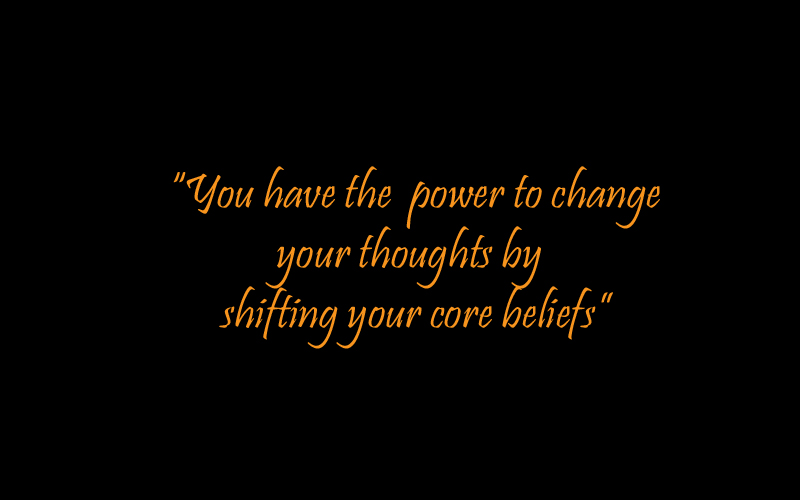
Since you are not total aware of where your thoughts come from it is good to understand where they originate. Your thoughts are actually generated from your core beliefs that reside deep from within your subconscious mind. Your core beliefs are formed from the experiences you have growing up. So in order to change your thoughts you have to become aware of what you truly believe in. If your beliefs are not positive then neither will your thoughts be.
5 Tips on Changing Your Thoughts to Positive and Productive
So how to change your core beliefs that will change the nature of your thoughts. Here 5 steps on how to accomplish a change in the thoughts your mind generates.
1. Recognition
First of all you cannot fix what you’re aware. So recognition is your first and most important step. On a piece of paper, write down all your beliefs you have about yourself, others and the world; good and bad, insignificant or significant, large or small. Also note the emotion that is associated with each core belief you list.
2. Identity
In this step determine each belief in your list actually your truth? Identify whether each belief you recognized on your listed is real or a lie, positive or negative, productive or destructive. Draw a one straight line through the beliefs that are not true, negative and destructive. Those marked core beliefs are the ones that are barriers to change and counterproductive to the way you want to think.
3. Create anew
Third step is creating new list of beliefs. Next to each lined out belief, create and write down a positive belief you want to replace the old blocking belief with next to it. To make sure each belief embeds itself assign a feeling to each new belief. If you do not create new beliefs with an associated feeling and consistently work to replace the old ones your mind will continue to generate the same old useless thoughts.
4. Practice, practice and practice so more
Last step is to shift your mind to focus and accept the new belief over old belief. You accomplish this by practicing acceptance through repeating your new list out loud to yourself 5 times daily, every day for 30 days. It is most important is to say your new belief list first time in the morning when you first wake up and then the last time before you close your eyes to go to sleep. To make your new beliefs more powerful, say your new beliefs with the feeling assigned to each belief in step 3 and do it with a strong emotional tone.
Saying the list every day for 30 days and you follow through with the practicing the new beliefs daily they will embed themselves into your subconscious and the new ones will replace the old ones. Also the beliefs will become your mind’s truth.
5. Be observant
Also monitor your thoughts after the 30 days and acknowledge when your new beliefs start to manifest themselves in your thoughts. How will you know that? You will be told by other people in your life that you seem different, thinking differently or you will be aware of the difference.
After Thoughts
Once you recognize the origin of your thoughts, meaning recognizing the ones that are false, negative and unproductive and that your old thoughts were generated from them then the power to change your thoughts is yours. Don’t be a slave to your thoughts anymore. When you change the content of your core beliefs you then hold the ability to influence and determine how you will think.
Empower yourself by invoking new beliefs that you can accept and believe in.
Visit my website and click here to download a free eBook.
Thursday, April 21, 2016
Powers of Thought
Seems as though your thoughts have all the power in the world, especially in your own head.
If only you had the power to just change your thoughts with just changing the way you think.
Do your thoughts have power or are they influenced and govern from the deeps part of the mind? There has been a huge misconception going on for decades which says if you think positive thoughts you can overcome negative and move with positiveness. For years people have been focusing on and practicing faithfully positive affirmations in order to change negative thought to positive just by saying. Well it is not working at all. Universally people are getting really tired of it. People have become very tired of this philosophy that just positive thinking can project them into being happy, fulfilled and successful thoughts.
To think that you can just think positive thoughts and your mind will change its thought patterns and will help you through life's barrier is very misleading. Thoughts do not have that power.
Significantly less than 10% of our ability to succeed, lose weight, overcome bad situations, make positive change, stop negative thoughts, recover from addictions, form deeper relationships, achieve love, or find fulfillment, has to do with how you think.
Actually more than 90% has to do directly with beliefs you have formed as you grew up and are now stored in your subconscious mind. You are unaware of that fact. Believe it or not you have been accumulating and accepting beliefs into your subconscious mind over your life time. Really it is these stored beliefs which directly influence and govern how you form your thoughts and how you think.
In order to make a substantial change to how you think you have to understand how your mind works and that over 90 percent of all thoughts are formed and govern by your beliefs that have shaped from your experiences as you grew up. These beliefs, unknown to you, embedded themselves in your subconscious mind.
The content of your thoughts and degree of happiness, fulfillment and success you experience originate directly based on your beliefs.
Thought Power is the Direct Result Of an Mind Algorithm
Your beliefs actually are formed from what is termed mind code. Your mind code is what really determines who you are, how you behave, your emotions, how you sense and how you react as well as and very importantly mind code is where your identity originated.
Mind code is data your brain gathers everyday of your life from situations you go through. Think of mind code as a mind algorithm. An algorithm is step by step instructions of how your mind will operate. The data is then converted into your belief system or personal philosophy. Then your core beliefs feed content to your inner voice. It is the content of your inner voice that greatly influences and governs the formation and direction of your thoughts
A mind algorithm is very similar to a computer algorithm. In a computer it is the algorithms that tell the computer and program how to function. If the computer algorithms get changed like through a virus then the computer reacts differently or doesn’t work at all. The same is true with mind algorithms. If the mind accepts negative data from experiences, it then produces negative beliefs and in turn generates negative thoughts. An example is if we experience a hurtful situation that causes you to form a negative core belief that you are not good enough then you will think we are not good enough and not know why you are negative toward yourself.
So the powers your think your thoughts have doesn’t start at the thinking level. The power is in your mind code and core beliefs which are completely unknown to your consciousness until it surfaces into your inner voice.
If you really want to change how your thoughts you need to change your core beliefs. Mind code that ultimately decides how you will act, feel, interact and think about ourselves, others and life situations.
6 Tips Accessing the Powers to Change Thought
Let's get started regaining your power.
1. Believing that you have the power to create positive habits. The truth is, it’s just as easy to create positive habits as it is to create negative ones. It’s just a matter of how you spend your time. You can spend your time believing things you are not or create new beliefs that bring you closer to what you want to believe in. Or submitting to old beliefs that do not serve you.
Thinking negatively can become an addiction. People complain, “It’s too hard to keep my energy up thinking in what is good for me!” It’s not hard – it’s just that people get in the habit of thinking negatively. If this sounds like you, break the habit. Realize that you are where you are because of the way you believed in the past, and your future depends on the beliefs you accept today. You can choose to stay negative, or create new beliefs that will change your thinking. You can choose to watch another sitcom, or you can choose to read another chapter in a great book.
Honestly you can choose to act on opportunity, or you can choose to focus barriers. There’s nothing hard or complicated about it, other than the way you’re thinking based on old negative core beliefs that no longer serve you or the direction in your life.
2. Ruminating on everything, over and over again. Lack of confidence and discipline, mixed with over expecting rapid success and negative beliefs, fuels a habit of negative thoughts. Many studies suggest that ruminating is a self-handicapper: rather than risk failure, they prefer to create and indulge in beliefs formed long ago that create barriers to success and make it next to impossible which forms a vicious cycle. The best thing you can do for yourself is to break this cycle – stop saying “I can’t,” start saying “I can,” and then put it into action. The world isn’t going to dominate itself. Stop fearing something will probably won’t happen in your life.
Thinking isn’t enough; you must apply! Building a strong belief system is the way toward successful thinking; you must DO! If you can’t change all beliefs at once changing a few at a time will add up. A positive belief system built over time, in small increments, tends to be create a change in your thinking that lasts for a long time.
3. Comparing oneself to others, and then harboring bitterness or resentment. Negative thinking people believe someone else’s good fortune steals from their own. They believe they are not good enough to deserve success. This leads to bitterness and resentment. Don’t let bitterness (or jealously) get the best of you. Bitterness is the art of counting someone else’s blessings instead of your own – there’s nothing attractive or admirable about believing this. So stop comparing your journey with everyone else’s. Your life is your life. Living isn’t a competition. You are competing with yourself to believe you are the best you can be. If you want to measure your improvement, compare yourself to who you were yesterday.
4. Self-doubt fuels negativity and withdrawal. The mind is an awesome tool if used right, but it’s also a negativity engine that attempts to fill your awareness with doubt if you allow it. Any uncomfortable thinking should be rejected. Don’t accept it and let it get the best of you. Believe in yourself through tough times. Believe in your capacity to flourish. Believe making new connections are worth the effort. Believe strongly that people make mistakes on their way to greatness. Believe that people can be thoughtless and intelligent, selfish and gracious, and stressed and excited all at the same time. Believe that there are many roads to what’s right. Most of all believe in your intuition, especially when you have to choose between two good paths. Believe that the answers are within you not outside you. Believe that life will surprise you over and over again. Believe that your experiences along the way are the destination. Those who don’t have strong and positive beliefs, think they will never find their strength within.
5. Don’t put yourself down. There is enough people out there to put you down due to their own negative beliefs. Begin with forming compassion toward yourself. Compassion simply is a keen emotional understanding of the situations you have experienced and how they have gotten you to where you have gotten to.
Believe that you can overcome anything and your thinking will fall in line.
6. Recognize your beliefs. You have to recognize your beliefs in order to correct them. Your core beliefs are the windows of your mind code. Meaning if you make the effort to recognize the bad beliefs you carry and change them then your life will change for the better. So write down a list of all your core beliefs you have about yourself. Study the list and determine whether each one is true or false, real or delusional, yours or someone else’s and finally what kind of emotion that belief would produce. For every belief that is false, delusional, accepted from someone else and produces a negative emotion, then write a new positive one and accept it into your belief system with a strong positive emotion. Read your new list daily. Especially first thing in the morning and the just before you fall asleep when your mind is most pliable to new beliefs. Watch your thoughts change.
Takeaway
You can't think yourself to greatness but with a solid positive core belief system you can accomplish anything you want. Follow #6 above and create a new skill which will manifest in a change in your thinking and the result will be a new you!
Visit my website and click here for a free eBook.
Tuesday, July 14, 2015
5 Tips on Cleansing Your Inner Voice
Your brain is a miraculous organ. It can be a powerful benefit or crushing adversary. One tool that your brain has that helps you to communicate with yourself is your inner voice.
Sometimes that voice in your head attempts to rule your life and suggests it knows best. Your inner voice can take on many forms. Your inner voice can be either supportive or critical depending on how good your relationship with self is or much self-love you have for you.
Inner Voice Turned Negative (Gone Rogue)
If the inner self voice takes on the form of inner critic, the content of its messages becomes doubtful, judgmental, negative, depressing, self-defeating, self-limiting or second guessing. The content of the inner critic originates from one's mind code. Then the negative self-talk can produce negative thought or sets of thoughts that get caught in a constant loop. Constant thought looping, or otherwise known as ruminating, can result in a thought addiction.
Definition of Rumination
Rumination is defined as passively focusing the mind’s attention on a negative belief causing an associated emotional state to surface like depression, and over negatively thinking about the causes, meanings, possible results or consequences of the content or beliefs of the mind. People who ruminate are ineffective in taking action, slow in problem-solving, and hesitate at decision making. Rumination causes fixed, inflexible, and negative thinking.
Research
Recent research studying individuals with a lifetime of mood disorders found that rumination is one of the strongest correlations to the onset of depression. Rumination or thought looping makes relapse into depression easier. Research data revealed that formation of ruminating thoughts are cognitive features associated with a vulnerability to developing, maintaining, and relapsing into a depressive disorder.
So, the more a person ponders on a negative thought or cluster of thoughts over and over again, the harder it is to release that thought … and it can have devastating results on his or her life. Ruminating can be categorized by negative, rigid beliefs a person has formed about themselves, their self-worth, and confidence. Typically, these beliefs involve conditional standards in areas of self-evaluation, perfectionism, and approval of others.
A side effect of ruminating is the creation of dysfunctional attitudes and negative perceptions of you and the world outside of you. Dysfunctional attitudes and negative perceptions are a direct reflection of the content of the mind (i.e., what you think or feel about you). Rumination is associated with the processes of the mind, that is, how you relate to the content streaming through the mind.
Quiet your inner voice through enforcing new rules
One way to quiet your mind is by daily cleaning out the clutter in your mind and choosing to not feed your inner voice content. Choose to not give that inner voice content value.
Don’t allow junk into your mind. Be mindful of what you allow inside your mind. Monitor your own words, thoughts and attention.
Don't give inappropriate content power and influence over your mind.
Don't give your inner voice energy.
Don't spend time gossiping, bad mouthing other people, judging other people, finding faults in others, or allow yourself to be consumed in negative thoughts like jealousy, guilt or fear, or constructing excuses to cover up how you actually feel. It doesn’t matter if this happens only in your mind or you verbalize it with others. Make the choice to not entertain these thoughts.
Don't spend mental time doubting, second guessing, judging, arguing, or being mean to you.
Afterthoughts
The more you monitor and pay attention to your beliefs and the content your thoughts, the more influence you will have over your thoughts. Be observant of how you manifest the content through listening to words that you speak. The main question you should ask yourself … is the content of your beliefs, words, or thoughts holding you captive, causing you to ruminate constantly and bringing you down. If your answer is yes, then you need to cleanse your inner voice.
5 Tips to Cleanse Your Inner Voice
Follow these 5 tips to inner voice cleanse and achieve inner peace:
1. Be mindful of your thought content. Take time and notice in the moment when you are having a thought. Is the thought negative, self-destructive, sabotaging or creating emotional discomfort for you?
2. Ask yourself: “Is this thought moving me toward or away from my beliefs, and is it how I want to live?”
3. If the thought is moving you away from the kind of person you want to be or how you want to believe, then clear the thought from your stream of thinking. Realize that this thought is just a thought and not an authority.
4. Recognize and uncover the underlying emotion or emotions that may be fueling your negative, unhelpful thought stream. Shift the emotion(s) by breathing through it for a few minutes until it diminishes. Choose an empowering or cleansing word to help your mind let go of the repetitive negative cycle. I like to repeat “release – release” in my mind in order to move past a negative thought loop.
5. Empower yourself by remembering that the nature of the mind is to think. It is a tool, not the ruler. Your mind should be constantly producing thoughts for you. So be creative and consciously alter your thought stream by producing positive thoughts. Focus on these positive thoughts, and inject them into your stream of consciousness every day.
Visit my website and download my gift of my eBook.
Thursday, July 2, 2015
Your Conscious Mind Does not Control You
Conscious mind in the human brain has been seen for decades as the strongest part of the mind. It has been believed that the conscious mind has the power to solve problems, make decisions and has the ability to get things done for you in life.
General theory by professionals is that your conscious mind controls 10 percent of your waking thought content and actions. Which infers that your subconscious mind influences 90 percent of why you act, fell, react and think the way that you do.
Definition of Conscious Mind
Conscious mind is defined as the localized center of conscious control. The internal mental region in the human brain which seems to govern your actions, thoughts and reactions through problem solving and decision making during waking state.
New Enlightenment
A new theory proposed by a San Francisco State research team through more than 10 years of study that your conscious mind has considerable less in control. Your conscious mind is far less powerful in your life than previously believed. Their proposed theory is counter intuitive to popular beliefs and appears to go against everything you have been taught or thought about what the conscious mind does.
Previous theory generally thought that the conscious mind solved problems and guides you to a course of action but from the research it does not. It was found that the conscious mind does the same simple task over and over. It gives you the impression that it is doing more than it actually is.
The research findings found in the San Francisco State study was that the conscious mind serves as a passive channel rather than an active force. It is far less influential and significant.
This new theory based on the 10 year research expounds that the conscious is more like the interpreter of messages sent from the subconscious mind. The conscious mind is the presenter of the information not the maker of decisions or the mind that acts on the knowledge. It seems that the information in the conscious mind is not created through the conscious routes. The conscious mind doesn't do as much as you thought it did. In fact San Francisco State study reported that the conscious mind is just the middle-man between the subconscious mind and your outside world.
The research also found “one conscious thought does not lead to another”.
After Thoughts
As a result of this new information that your conscious mind is more like the tip of an iceberg and the real decision maker is the subconscious mind or the mass of the iceberg below the surface of the water line. The subconscious mind is more influential and powerful than thought in how you live your life
Therefore in truth it is the subconscious mind that is the driver and regulator of your life. Within the subconscious mind is coded data accepted through your life which determines, influences and governs how you will act, feel, think, and reaction towards yourself, others and situations. When situations triggers your subconscious mind’s data, it send instructions to the conscious mind to interpret through thought and manifests a reaction outwardly by way of emotions and behaviors. So it is the conscious mind that interprets subconscious core beliefs, codes, data and messages.
Therefore in order to understand yourself fully on why you do what you do, think the way you do and feel the way you do, it becomes more important to understand your mind code and the elements of your personal philosophy.
Wednesday, June 17, 2015
7 Tips on How Your Imagination can be the Power of Change
"All changes in yourself and life start in the imagination. The imagination is capable of turning mind energy into realized drive and success."
How to change your life positive
Simply use your imagination. Imagination is one of our most powerful tools available to you as a person. Imagination is the one thing within us, as humans, that gives us the amazing ability to "create what is not there yet".
Think about it. Our imagination can truly assist you in creating something new? Everything that we been created in the world has stemmed from a seed in someone's imagination. Everyone has this ability. Our imagination contains the magnificent power to generate thoughts or concepts (those intentions we wish, or desire or expect) which can be manifested in the future. Every idea, dream and every goal can be achieved by accessing our creative mind, the imagination. And, with a little effort, focus and practice, a constant flow of ideas will come to you with ease. This is the brilliance of your imagination in your brain.
In order to access your imagination you have to spend time with yourself.
7 tips on accessing the power of your imagination
1. Find a peaceful environment
2. Get quiet and be calm Remain quiet and calm
3. Ask for internal guidance with and / or inspiration about a
specific desire
4. Then focus on the desire or idea
5. Repeat your desire out loud and repeat in your 4 times then listen
6. Wait patiently for a flow of thoughts that will come
into your mind
7. Listen, hear your answers and then write it down
immediately after the session
After Thoughts
Write down all the ideas and thoughts that arise during your session whether you think they are important or not. Do not discount or rationalize any thoughts that come to mind. Then, rest in the faith that your imagination will generate ideas, thoughts and solutions to accomplish your desire. Know that imagination possesses all the energy you need to continue generating more ideas, thoughts and solutions on the way to accomplishing success in your life.
Believe, have faith and harvest the rewards of your effort. The more you practice the easier access to your imagination will come. Your imagination will open to you to abundance.
Following these tips will help you make a positive change and reach greater success.
For more ideas, visit my website and download my eBook which is my Gift to you.
Friday, June 5, 2015
2 Quick Tips on How to Change Negative Beliefs to Positive
Do you suffer from any of these common stressful pre-formed beliefs?
~Believing in possible future disasters or focusing old mistakes or hurts
~Taking everything that happens personally
~Judge and criticize yourself
~Hypersensitive to every situation causing anger, anxiety and fear
~Excessive thoughts that negative things will happen
Everyone has negative thinking patterns like these due to old embedded and rigid beliefs about themselves. In fact, some studies estimate that about 75 to 80% of all negative thinking patterns come from negative beliefs you have pre-formed about yourself.
But just because it’s normal to unconsciously react to negative beliefs doesn't mean it’s a good thing or that those beliefs are the truth about you. Example of these beliefs like “I am not good enough” “I don’t deserve”, “I am unworthy of”, or “I always fail at what I do”. These negative and stressful beliefs cause negative thinking habits. Old beliefs like these can create unwanted bad moods, make you anxious without your even knowing why, cause you to perform poorly, turn yourself against yourself, cause to feel unfulfilled, cause you to sabotage good relationships, and even flood your body with stress chemicals that can lead to physical exhaustion and disorders.
The bad news is: Ignoring negative beliefs can easily become habits causing you to say, do and believe negatively. Old formed beliefs are like a repetitive songs known as an earworms can stick in your mind.
The good news is that change is up to you
The good news is: You have the power to change and ease your misery and find inner peace as well as increase confidence. Truly it is all up to you. You already know that are you’re your toughest critic. Your criticisms, self-judgments and self-limiting beliefs surface into your consciousness through the realization listening to your negative inner voice in your head.
2 Quick Tips in Changing
#1 Change your mindset toward yourself
Many writers has been captivated with writing and investigating the “inner self talk voice” and how people talk to themselves. First of all they found that having an internal voice is normal and helps us to make decision and determine how we will respond in life. An interesting result of all their efforts was that after judging your performance as poor your internal voice will become meaner, more doubtful, more critical and even self-shaming.
Your attitude toward yourself determines what you will do and not do for you. Determine if your attitude is negative or positive toward yourself. Figure out if it is really true and if not change it.
#2 Learn to inspire yourself through changing beliefs
Become your own cheerleader. Understand no one else will do that for you.
To gain calmness in your mind and inner peace you have to change your beliefs you have about yourself. Make a list of all of your beliefs about yourself. Evaluate them and then determine which are true and which are not. With the ones that are not cross them out and write a new belief beside it. Once complete, write them all on a new piece of paper and then repeat them to yourself 10 times a day for 14 days. Once you have consistently repeated them for those 14 days your mind will accept these new beliefs as your truth.
After Thoughts
Your mind does not feel emotions, it just makes true whatever is written in it. Meaning your mind does not determine what is good or bad beliefs for you. You form a belief with each experience you have in life and if you are disappointed with your perform in anything the belief will be negative.
If you work these 2 quick tips and are consistent in following through with them, your attitude will turn positive and your degree of self-confidence will increase.
Make a positive change today with the 30 Day Mind Changing Challenge. Take the Mini Challenge to see if you are ready to change your thoughts.
Thursday, January 8, 2015
5 Tips on Powerful Self Expectations
Are you experiencing difficulty making changes in your life?
There is an old proverb “curiosity killed the cat.” The
meaning of this idiom is that being inquisitive about other people's affairs can
often get you into trouble.
Is that really what gets you in trouble? In reality the
answer is no. What really “killed the cat” are the expectations you
unrealistically formed about yourself, you won't let go of even though you cannot invest in, you accepted from others or was forced on you.
What are expectations?
An expectation is a strong belief that something will happen
or is likely to happen. An expectation might include an emotional attachment to
a prediction of how responsive, successful, or good, you or someone else might
be in a situation that has not happened yet.
Expectations are future projections you form, requirements
taught to you or future outcomes placed upon you, by others who you have an
emotional attachment to. Expectations are desired, looking forward to,
projected or wished accomplishments, behaviors, beliefs, loyalties, performance
or worth related to future outcomes. Expectations can motivate intentions or rob
you of your self-determination.
You create expectations for yourself (“I expect to lose 20
pounds this month.”), others (‘She should know how much I am hurting.”), and
situations (“I expect to get that job.”). If they are not fulfilled, expectations
can create very deep disappointment. The
degree of disappointment or hurt corresponds to the amount of emotional
attachment you formed to your expectations or others connected to those
expectations.
5 Tips on Creating Powerful Expectations
1. Get in touch with your
expectations.
You are not always aware of the expectations you carry.
Sometimes, you are aware of expectations you recently created, but others have
been in your subconscious for ages and you are no longer aware of them.
Make a list, best you can, of all the expectations you
either want to accomplish or have lived by. By making a list, you accomplish
two things: 1) recognition makes them
real, and 2) this helps you to organize them.
2. Declutter your
expectations.
Now that you have a real list, study it. Determine which
ones are yours, which ones came from other people whom you felt you had to obey
and complete. Determine which ones you want or could realistically accomplish,
and identify which ones are not what you want or were forced upon you (parent’s
expectations) from long ago. Decluttering or cutting down your list will help
you gain space in your mind. Cross out the expectations you don’t want, do not need
to hold onto any longer, have no emotional investment in, or are simply not
yours.
3. Emotional Attachment
Take your whittled down list and figure out what level of
emotional involvement or attachment you have to each one. It is best to put a
numerical value on each, 1 to five or 1 to 10. Actually seeing the numerical values
will help you to rank them in order to see the ones you want to accomplish
first.
While you are figuring out your involvement in each,
determine which expectations have made you disappointed in yourself or someone
else. Disappointment can consume a lot of our emotional energy and turn into
depression or severe anxiety.
Ask yourself
honestly these questions while doing this section:
Is it because you disappointed
someone else?
Is it because someone disappointed
you?
Is it because you could not control
someone else or a situation?
Is it because you didn't reach an
intended goal you set for yourself now or long ago?
Are you taking things to
personally that you're attempting to accomplish?
Do you create goals out of the
emotion of the moment and then procrastinate?
Did you over commit yourself?
Did you say yes to an expectation
when you really meant no?
Are you a poor manager of your
expectations?
What are the barriers were that
stop you from success and how have they contributed to you falling short of
your of each expectation?
4. Stop holding on to the
old.
The best way to achieve this part is to forgive you. Wipe your
mind clean of past expectations by letting go of all your disappointments,
self-doubts and resentments toward yourself, someone else or long past
situations. Do not use old disappointments or resentments as ammunition to keep
yourself down. If you have been carrying tons of unfulfilled expectations, then
recognize that there is no need to hold onto them. Create new expectations or
reconfigure you old ones to better suit your current state of being, improve your mind code and be happier.
5. Develop an action plan for the future.
Now it is time to make an action plan. So go over your
finished expectations list.
Make sure each are what you
desire, want, need, or desire and how much emotional sweat you are willing to
put into each.
Make sure each expectation is
specific and realistic.
Make sure each expectation is measurable
Make sure each one has a timeline or date for completion.
At the associated completion time of each expectation, go
back to your #3 and check your measurements to determine:
Have I reach completion of what I
wanted?
Do I want to drop this expectation?
Should I extend the time of
completion?
Take Away
Remember, it is not curiosity that killed the cat … it was the expectations the cat had on itself that crushed, disappointed or sabotaged its chances for a happy and productive life.
Visit my website and download my gift of my eBook
2 Tips on Stopping Perfectionism
Perfectionism
Do you keep score in everything you do? If you are like most people, you are always attempting to be perfect, you strive to be in the perfect zone with no exception. You strive for that perfect job, the perfect mate, the perfect
house, the perfect day, and the perfect reaction and, lastly being the perfect one, #1.
Stop living in an unrealistic dream of perfection that is not achievable.
Confession
I have to admit that I too reach for that elusive perfection in my mind, performance and life. I have crumble many times to all the media hype and peer pressure. So I
set extremely unreachable goals which sets me up for failure and disappointment when I do
not perform or achieve them perfectly. I truly knew in the back of my mind all
those goals I set on my list were not achievable in reality. Perfection is really folklore. Perfection is not achievable.
Sometimes perfectionism is an excuse not to do something you desire too much or don't want to do in the first place.
Perfection Causes
Unfortunately, due to all the variables this concept of
perfection is not possible state of life. When you set your sights so high even the smallest disappointment shatters your self-esteem.
What happens with this concept of perfection is that you over analyze, judge and examine all your efforts, methods and mostly yourself. Instead go through your list of goals and pick one intention you can realistically accomplish in the next 90 days, instead of attempting to do everything perfect. This shift mindset from dividing your energy between many goals to creating and working on one intention. Put all your energies into positive action, energy, and passion, and focus less on performance disappointment.
Striving for Perfection can cause:
Anxiety
Doubt
Fear
Impatience
Over expecting
Perform issues
Procrastination
Stress
Under assessing yourself
Worry
What happens with this concept of perfection is that you over analyze, judge and examine all your efforts, methods and mostly yourself. Instead go through your list of goals and pick one intention you can realistically accomplish in the next 90 days, instead of attempting to do everything perfect. This shift mindset from dividing your energy between many goals to creating and working on one intention. Put all your energies into positive action, energy, and passion, and focus less on performance disappointment.
Striving for Perfection can cause:
Anxiety
Doubt
Fear
Impatience
Over expecting
Perform issues
Procrastination
Stress
Under assessing yourself
Worry
2 Tips
1. Stop Measuring Yourself to Others
Instead of keeping score of your failures, why don't you
work on a running list of all your goals you have to be grateful for. If you do, you will discover that you have so much more to be grateful for.
2. Work on Achieving Mindfulness
After Thoughts
Don't allow distractions on what you did not do or what you did wrong but rather focus on putting your plans into action in the moment.
Make a positive change in your life this year. This should be an intention for your.
How?
30 Day Challenge will help you change your mind script.
Sunday, November 30, 2014
4 Tips on Changing Old Thought Patterns
One of my popular clicked on articles is How to Change Old Patterns of Thinking. This article has been viewed over 13,000 times. Why? Because people are dissatisfied with how
they think and interested in changing them.
So how do you change thought patterns? Well there are four tips to accomplishing a significant change in the way you think and alter old thinking patterns for good.
Tip #1:
Determine the thoughts you would like to embed into your
subconscious mind and write down those thoughts on paper. Title your list
Positive Life Affirmations or PLA. Examples of some powerful of PLAs you can
add to your list are:
You are happy,
You deserve to be healthy,
You are deserving of love,
You are prosperous
You deserve to be productive
Create and add any statements of positiveness you would like
to be front and center in your conscious stream of thoughts. Keep your list to
no more than 10 positive life affirmations during any 30 day period.
Tip #2
Set up a daily schedule on your calendar. Commit to a time
every morning, afternoon, after dinner or before bedtime) for thirty (30) days.
During each daily scheduled time, read your list 4 times in a row. The most
important time is just before you close your eyes to go asleep. Why? Think
about it. Most people think of negative things like what went wrong today, what
will I face in tomorrow, what I did like today and how do I fix what the
mistakes of the day. Their subconscious mind mills over those answers all the
time they are asleep and when they awaken they do not want to get out of bed
because they are afraid things will go wrong and wrong things happen.
On the other hand if you feed your subconscious mind positive
thoughts then your subconscious mind will percolate on those positive thoughts
on your list the whole time you asleep and in the morning when you wake up your
subconscious mind will look to manifest that positive list and associate with
positiveness in your life.
Repetition is the third key. Practice, practice and practice
your list some more. The more you repeat your list the quicker it embeds.
Repetition by someone else or self-repeating is how the old
negative thoughts got into your subconscious mind originally. So through
practice, the new thoughts will be accepted and replace the old ones. Let’s
look at an athlete who wants to win gold and become an Olympic Level athlete.
The way to reach this goal is by practicing their skills over and over again
until they can perform the skills without thinking. The same is true about
changing thoughts. The more you repeat, repeat and repeat your new positive life
affirmation thought list the quicker your new thoughts will stream into you
conscious without you having to put in any conscious effort.
Tip #4
Emotional connectedness is the fourth key. Being emotionally
attached to old negative thoughts or excited emotionally by the
negative thoughts is how the diluted thoughts embedded themselves in the first
place.
How is emotional connected so important? Reflect on this
idea. A stranger can say whatever about you to you and your subconscious mind
rejects it because there is no emotion attachment. But the smallest criticism
from someone you are emotionally attached or you love can produce major hurt
that cuts to your core.
The Secret
To be successful at changing your thought patterns just
follow the four keys. Make your list (no
more than 10 positive life affirmations), repeat them at scheduled times and
feel them as you repeat your new created positive thoughts and they will stay
with you.
After Thought
So the secret to altering old thought patterns is creation, consistency and emotional commitment to new thoughts. Repeat them to yourself until you set a new pattern of thinking and it will create a new mindset.
Wednesday, October 29, 2014
9 Tips You are a Perfectionist
Misconception
The biggest misconception in life is that “all good things come from being perfect.” Nothing in life could be further from the truth. The truth is that perfection is the major killer of joy, creativity, happiness and also success. Yet there are millions of people who are driven every day to attain what is not possible … perfection.
Actually perfection is the cause of deep disappointment.
If you always strive to be perfect … reaching for the golden ring of life … you will only find nothing but emptiness, dissatisfaction and loneliness. At the end of your effort there is only a rusted old hoop.
One of the most creative painters of modern time, Salvador Dali said, “Have no fear of perfection – you'll never reach it.”
Over the years, I have noticed that the issue of
perfectionism is huge with a lot of the people I have talked with. When I ask
the question, “Are you a perfectionist?” 95% of the people answered with a
resounding, “No!” After a few follow up questions from me, 80% of those 95% say, “Well,
I guess I am.” If you think about it,
you will see that achievement, promotion, raises, and advancements are all
based on how well you perform not whether you are a perfectionist.
By definition, a perfectionist is a person who strains
compulsively and unceasingly toward an unattainable goal (or goals). The
measuring stick for their self-worth is marked off by periods of productivity
and feats of accomplishment. When you pressure yourself to achieve unrealistic
goals, you predictably set yourself up for disappointment. Perfectionists tend
to have the voice of a mean and judgmental critic in their head. It speaks up every
time they fail to attain their own (or someone else’s) extremely unrealistic
expectation.
So, how do you know if you are a perfectionist? You may be a
perfectionist if you try to live by extremely unattainable standards, and you
feel like a failure when you fail to meet them. You may be a perfectionist if
your core beliefs about yourself tend to be punitive, rejecting, and downright
nasty. You may be a perfectionist if the view you have of yourself tends to be
tremendously negative.
9 TIPS You Might Be a Perfectionist If:
1. You are always anxious, but you don’t know why.
2. You constantly doubt yourself.
3. You are continuously impatient.
4.
You are fearful of the results if
there is a chance you
might be wrong about something.
5. You procrastinate frequently.
6. You frequently stress over nothing.
7. You usually over-expect to the point of disappointment.
8. You under assess all your
accomplishments, always
selling yourself short.
9. You often worry about how you will perform in the future.
Do you recognize any of these nine signs in yourself?
After Thoughts
Look at those signs again, and this time … only focus on the bold words while blocking out the rest. Do those words describe you? Is that how you feel and react every day?
Here’s a suggestion to improve your mental and physical
health … from here on out, let go of the concept of striving for perfection. Just
be and do the best you can each day. Once you stop focusing on performing
perfectly, then your creativity, joy, and happiness will come back in
abundance.
Subscribe and Follow me by going to my Blog
Click the link in the 2nd box on the right hand side - "Subscribe to get updates from this Blog" so you get notified every time I publish a new blog.
Go to my website Making a Positive Change and get a free gift of my eBook.
Subscribe to:
Posts (Atom)